
The Cats of Gili Air
When people talk about Gili Air, they usually start with the obvious highlights. Crystal-clear water, relaxed island vibes, and some of the best diving and snorkeling in Indonesia. The reefs surrounding the island are famous for turtle encounters, gentle currents, and colorful marine life that attract divers from all over the world. Located just off the northwest coast of Lombok, Gili Air has earned a reputation as the calmer, more community-focused sibling of the Gili Islands.
But there is another feature that quietly defines daily life on Gili Air—something visitors often notice within minutes of arriving.
There are no dogs on the island.
Instead, there are cats. Lots of them.
First Impressions: Being Welcomed by Cats
Arriving on Gili Air is a gentle experience. No cars, no motorbikes, no honking traffic. Just sandy paths, bicycles, and the soft sounds of island life. As you check into your accommodation, it’s almost guaranteed that you won’t be greeted alone. A cat might be stretched out on the porch, another watching curiously from the shade, and perhaps a third weaving around your legs as if to say, welcome, you’re home now.
For many first-time visitors, this is surprising. For returning guests, it’s part of what makes Gili Air feel instantly familiar. Cats are everywhere—sleeping on dive shop benches, lounging in cafés, sunbathing on beach walls, or silently supervising daily life from a shady corner.
They are not pets in the traditional sense, but they are also far from stray.

4
A Cat Community in Every Shape and Color
Spend a few days on the island and you’ll start to recognize individuals. Cats with long tails and cats with short tails. Solid black, ginger, white, calico, and every mix in between. Some are confident and social, others shy but curious. Many have clearly defined “territories”—a favorite warung, a specific bungalow, or a dive center they seem to have adopted.
What stands out is how relaxed they are. These are not stressed animals constantly on alert. They nap during the day, stretch lazily in the sun, and wander around without fear. Their calm behavior reflects the environment they live in and the way they are treated.
The cats of Gili Air are part of the island’s rhythm. Locals, business owners, and long-term residents all play a role in caring for them. Food bowls appear in quiet corners. Fresh water is placed outside shops. Injured or sick cats don’t go unnoticed.
This collective responsibility is one of the island’s quiet strengths.
Why There Are No Dogs on Gili Air
The absence of dogs is not accidental. Over the years, the community has chosen to keep the island dog-free. This decision helps protect the cats, reduces conflicts between animals, and supports a calm environment for both residents and visitors.
Without dogs, cats move freely. There’s no constant chasing, no territorial stress, and no danger of packs forming. This contributes significantly to the overall health and behavior of the island’s cat population.
It’s a rare situation, and one that many animal lovers immediately appreciate.
From Informal Care to Structured Support
For many years, the care of cats on Gili Air was informal but heartfelt. When veterinary help was needed, temporary clinics were organized, often supported by volunteers and local businesses. One of the most consistent supporters of these initiatives was Oceans 5 Gili Air, which hosted multiple cat clinics over the years.
These clinics focused on sterilization, vaccinations, and medical treatment—crucial steps in controlling population growth and preventing disease. Each clinic made a visible difference, but there was always a need for something more permanent.
That step came with the arrival of a small but dedicated cat clinic on Gili Air.
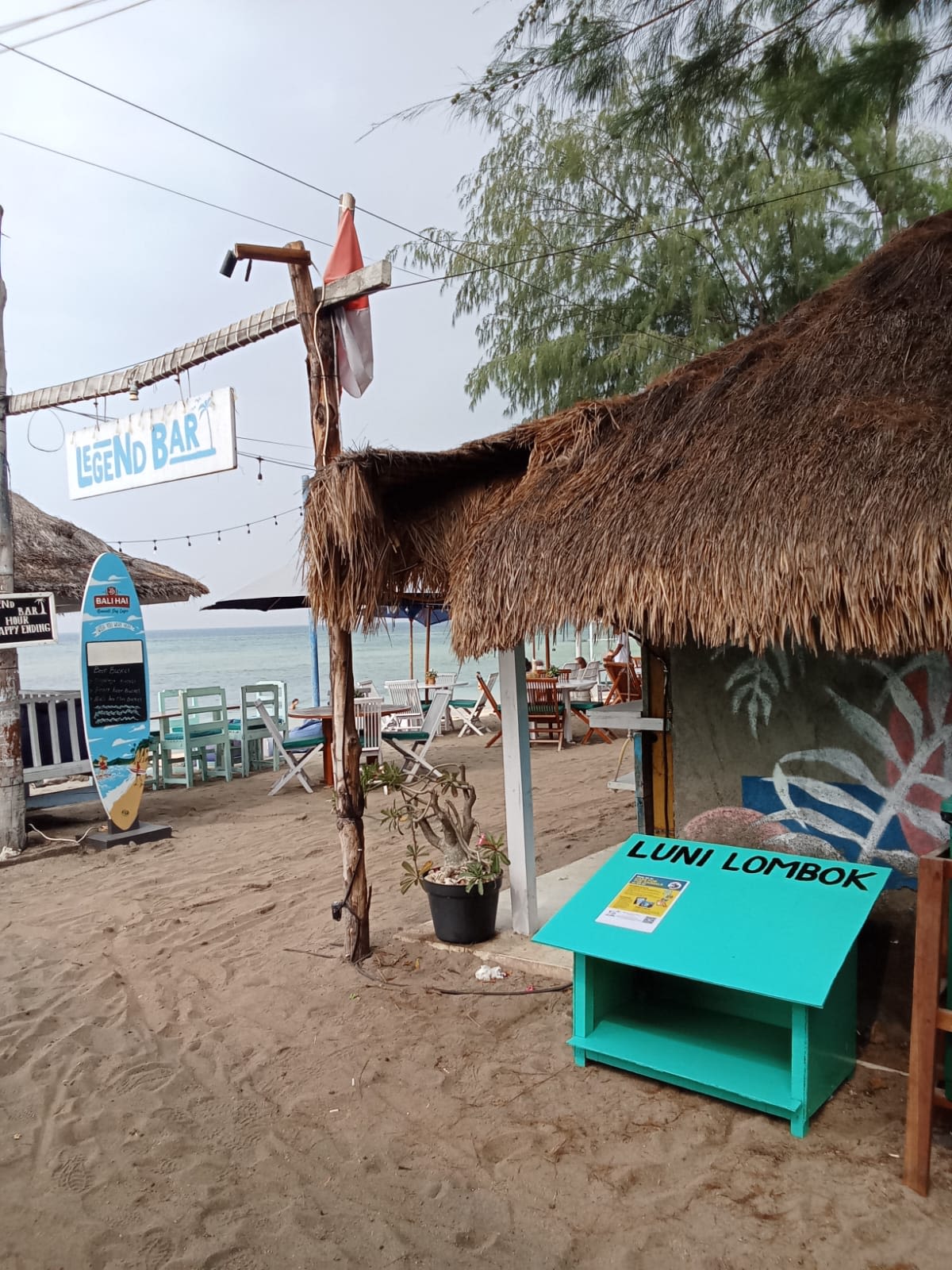
Lunito: A Small Clinic with a Big Impact
About a year ago, Gili Air welcomed its own small cat clinic: Lunito, part of LUNI Lombok. This marked a major milestone for animal welfare on the island.
For the first time, cats could be checked regularly for health issues without needing transport off the island. Minor injuries, infections, and follow-up care could be handled locally. Preventive care—often overlooked in remote locations—became accessible.
The results were visible quickly:
- Fewer untreated infections
- Healthier coats and body condition
- Reduced stress for cats needing medical attention
- Better monitoring of the overall population
Instead of emergency responses, the island now had continuity of care.
A Healthier, More Balanced Cat Population
One of the biggest benefits of consistent veterinary care is disease prevention. On small islands, illnesses can spread quickly if left unchecked. Vaccinations, parasite control, and sterilization programs are essential to maintaining balance.
Thanks to Lunito and ongoing community involvement, Gili Air now has:
- Lower rates of contagious diseases
- Fewer kittens born into difficult conditions
- Less competition for food and territory
- Calmer social behavior among cats
Healthy cats mean fewer conflicts, less stress, and a better quality of life—not just for the animals, but for the people sharing the island with them.
The Big Clinics: Community Effort in Action
Although Lunito handles day-to-day care, large-scale clinics are still an important part of the system. A few times per year, LUNI Lombok organizes bigger cat clinics on Gili Air, often hosted at Oceans 5.
During these events, island residents can bring their cats for:
- Sterilization
- Vaccinations
- General health checks
At the same time, so-called “wild” cats—those without a clear home base—are humanely trapped, treated, and released. This ensures that no part of the population is left out.
These days are busy, hands-on, and deeply collaborative. Locals, volunteers, and professionals work side by side, united by a shared goal: keeping the island’s cats healthy.

4
Cats as Part of Island Life
What makes the cats of Gili Air special isn’t just their number—it’s their role in daily life. They belong here. They are woven into the social fabric of the island.
Visitors quickly learn to step around sleeping cats on pathways. Café owners know which cat claims which chair. Dive guides recognize the regulars that show up for morning briefings and disappear before the boats leave.
For many guests, the cats become emotional anchors. Long stays turn into friendships. People remember that cat—the one that always waited outside their bungalow, or slept next to their dive gear every afternoon.
These small connections create lasting memories.
Responsible Tourism and Respect
The presence of so many cats also comes with responsibility. Visitors are encouraged to enjoy their company, but not interfere. Feeding is best left to locals and caretakers to ensure balanced nutrition. Medical issues should be reported, not handled independently.
The system works because it’s coordinated and respectful—another reflection of Gili Air’s broader approach to sustainable tourism.
More Than Just an Island of Cats
Gili Air is often described as peaceful, friendly, and community-driven. The way the island treats its animals reflects these values clearly. The cats are not a tourist attraction, yet they leave a strong impression on almost everyone who visits.
They represent care without ownership, responsibility without control, and coexistence without conflict.
In a world where many destinations struggle with unmanaged animal populations, Gili Air offers a different model—quiet, imperfect, but deeply humane.
And when you leave the island, chances are you won’t just remember the turtles, the sunsets, or the slow afternoons.
You’ll remember the cats.