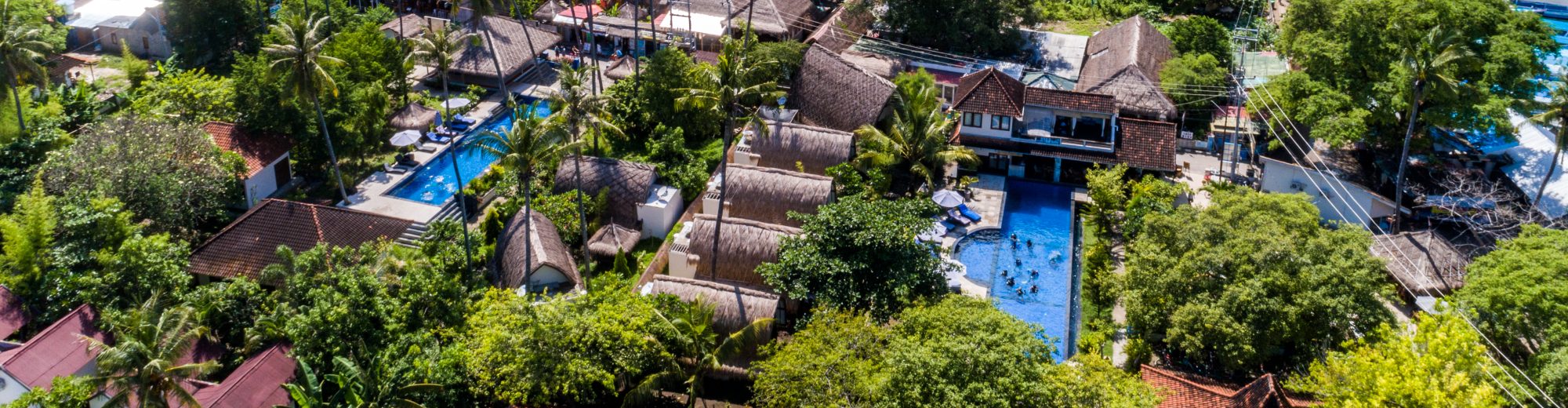

Gili Air
Gili Air diving has long been known as one of the most accessible and rewarding experiences in Indonesia. Crystal-clear water, vibrant coral reefs, and regular turtle encounters have made the island a favorite for both beginner and experienced divers.
But in 2026, a growing question is being asked:
Is Gili Air still a sustainable diving destination?
The answer is not black and white. Gili Air remains a unique dive destination, but increasing tourism and development are putting pressure on the environment. Sustainability today depends on how the island evolves—and how divers choose to interact with it.
Gili Air and the Gili Matra Marine Park
Gili Air is part of the protected Marine Park, which includes Gili Trawangan and Gili Meno. This marine conservation area was established to protect coral reefs, marine biodiversity, and coastal ecosystems while supporting tourism.
This dual purpose creates a challenge:
- Tourism drives economic growth
- Conservation aims to protect the environment
In recent years, tourism has grown faster than sustainability efforts can keep up. This imbalance is at the core of the discussion about sustainable diving in Indonesia.
Why Gili Air Diving Became So Popular
The success of Gili Air diving is no coincidence. The island offers ideal conditions for learning and enjoying scuba diving:
- Warm water temperatures around 28°C
- Visibility between 20–30 meters
- Short boat rides to dive sites
- High chances of seeing turtles and reef sharks

Compared to its neighbors:
- Gili Air is busier and more developed
- Gili Air is quieter but less active
- Gili Air offers a balanced experience
This combination has made Gili Air one of the most popular places in Southeast Asia to start diving.
The Reality of Diving Gili Air in 2026
1. Coral Reefs Under Pressure
Coral reefs are the foundation of Gili Islands diving, but they are under increasing stress.
Main challenges include:
- Coral damage in high-traffic dive areas
- Anchor damage and coastal activity
- Climate-related coral bleaching
Climate change is an additional threat, with rising sea temperatures increasing the likelihood of bleaching events. This means the reefs are facing both local and global pressures.
2. Tourism Growth and Overdevelopment
Tourism growth continues across Gili Air, with new hotels, villas, and businesses being developed.
This creates environmental pressure:
- Increased wastewater production
- Higher demand for freshwater
- More waste generation
- Coastal modification and erosion
The island’s small size means it has limited capacity. Without careful planning, overdevelopment can impact both the environment and the diving experience.
3. Waste Management Challenges
Waste management remains one of the biggest challenges for sustainable diving in Indonesia.
Key issues include:
- Limited waste processing capacity
- Seasonal increases in rubbish during high season
- Marine debris affecting reefs and marine life
Plastic pollution directly impacts marine life, including turtles and coral reefs.
4. Marine Life Under Pressure
Marine life is still abundant, but increasing human activity has an impact:
- Boat traffic can injure marine animals
- Uncontrolled divers can damage reefs
- Busy dive sites reduce natural behavior of marine life
The ecosystem is resilient—but not unlimited.
Why Gili Air Diving Is Still Worth It
1. Marine Park Protection
The Gili Matra Marine Park provides a structured framework for conservation:
- Marine park fees support protection efforts
- Dive operators require permits
- Monitoring and regulation are improving
This system helps maintain the long-term future of Gili Air diving.
2. Growing Conservation Efforts
Conservation initiatives are increasing across the island:
- Beach and reef cleanups
- Coral restoration projects
- Marine research collaborations
- Environmental education programs
These efforts show that the island is actively working toward sustainability.
3. Responsible Diving Practices
Responsible dive centers play a crucial role in protecting the environment by:
- Limiting group sizes
- Teaching neutral buoyancy
- Promoting marine awareness
- Following strict diving standards
These practices significantly reduce environmental impact.
What Sustainable Diving Means in 2026
Sustainability today goes beyond protecting coral reefs. It includes:
- Environmental protection
- Economic balance
- Social responsibility
For Gili Air:
- Economic sustainability is strong
- Infrastructure sustainability is developing
- Ecological sustainability is under pressure
This makes Gili Air a fragile but still viable diving destination.
What Needs to Improve
To remain a top destination for Gili Islands diving, several improvements are needed:
- Stronger enforcement of environmental regulations
- Controlled and responsible development
- Improved waste management systems
- Better education for tourists and divers
- Closer cooperation between stakeholders
The Role of Divers in Sustainable Diving
Divers are part of the solution.
You can reduce your impact by:
- Maintaining good buoyancy
- Not touching marine life
- Avoiding contact with coral
- Choosing responsible dive operators
- Reducing plastic use
Every small action contributes to the future of sustainable diving in Indonesia.
Final Verdict: Is Gili Air Still Sustainable?
Yes—but with conditions.
Gili Air remains:
- A beautiful diving destination
- Rich in marine biodiversity
- Supported by conservation frameworks
But it is also:
- Under environmental pressure
- Facing challenges from rapid development
- Dependent on responsible tourism
A Destination at a Crossroads
Gili Air in 2026 is at a turning point.
The future of Gili Air diving depends on:
- Government decisions
- Business responsibility
- Visitor behavior
Gili Air is still worth diving—but only if we protect it together.