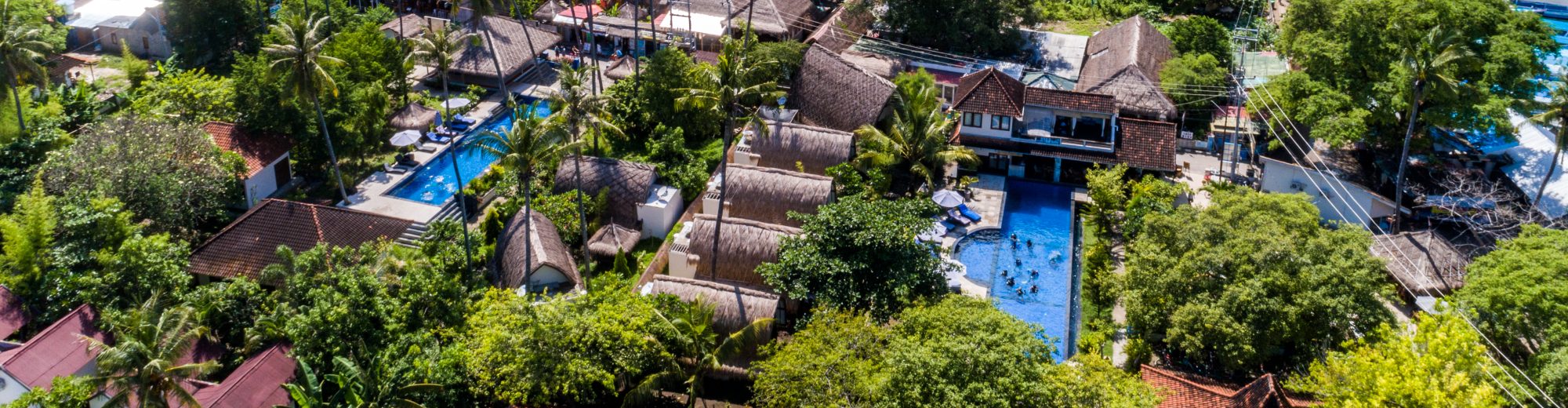
Category Archives: Gili Islands

SSI Kids Program | Dive Resort Oceans 5 Gili Air| Holiday Destination Indonesia | Dive Trip Gili Islands

Adapting Teaching Styles as a Dive Instructor

Adapting Teaching Styles as a Dive Instructor: A Path to Success

Adapting Teaching Styles | Scuba Diving Indonesia
Adaptive Teaching Styles as a Dive Instructor

Becoming a successful dive instructor requires more than just technical knowledge and expertise in diving. It demands an understanding of how different individuals learn and the ability to adapt teaching styles to meet those needs. Every person absorbs information in their unique way—some by reading about it, others by doing it, and others by seeing it. Recognizing these differences and adjusting your teaching methods accordingly can significantly enhance the learning experience and success of your students.

Understanding Learning Styles

People generally learn through three primary modalities: visual, auditory, and kinesthetic. Visual learners grasp information better when they see it. They benefit from diagrams, videos, and written instructions. Auditory learners prefer listening. They retain information more effectively through verbal explanations, discussions, and auditory materials. Kinesthetic learners, on the other hand, learn best by doing. Hands-on activities, demonstrations, and physical involvement are crucial for their understanding.

As a dive instructor, it’s essential to identify the learning styles of your students early in the course. This identification allows you to tailor your instruction to suit each learner, ensuring that all students have the best possible chance to succeed.

Adapting to Different Age Groups

The age of your students also plays a significant role in how you should approach teaching. Children and adults have different learning capacities, attention spans, and ways of engaging with new information.

Teaching Children

When teaching children, the approach needs to be dynamic and engaging. Children have shorter attention spans and often require more interactive and entertaining methods to stay focused. Incorporating games into the learning process can make diving fun and memorable for them. For instance, underwater treasure hunts can teach navigation and buoyancy control in an enjoyable way. Additionally, theory sessions for children should be concise and to the point, avoiding long and complex explanations that can lead to disinterest or confusion. Smaller group sizes are also beneficial, providing more personalized attention and ensuring that each child receives the support they need.

Teaching Adults

Conversely, teaching adults, especially those around 25 years old, necessitates a different strategy. Adults typically have longer attention spans and can handle more extended theoretical sessions. However, they might need more time to process and apply what they’ve learned, particularly if they are new to diving or have reservations about the activity. For these students, longer time should be allocated to discussions, addressing their questions and concerns thoroughly. Pool sessions can be shorter but more intensive, focusing on mastering techniques before moving on to the next skill.

Developing Multiple Teaching Styles

As a beginner instructor, developing a repertoire of teaching styles is crucial. This flexibility not only helps in addressing the diverse learning needs of your students but also makes you a more effective and adaptable instructor. Here are a few strategies to consider:

1. Combine Visuals and Demonstrations: Use videos, diagrams, and live demonstrations to cater to visual and kinesthetic learners. Showing rather than just telling can make a significant difference in comprehension.

2. Interactive Discussions: Engage students in discussions and verbal explanations to support auditory learners. Encourage questions and foster a dialogue to ensure they are following along.

3. Hands-On Practice: Ensure that every lesson includes practical, hands-on activities. Whether it’s assembling diving gear or practicing underwater navigation, kinesthetic learners will benefit from doing rather than just observing or listening.

4. Adapt Based on Feedback: Regularly solicit feedback from your students to understand what is working and what isn’t. Be willing to modify your approach based on their input.

5. Maintain Flexibility: Be prepared to switch up your methods if you notice that a particular student or group is struggling. Flexibility is key to addressing the varying needs of learners.

Conclusion

In conclusion, the ability to adapt your teaching style to meet the diverse learning needs of your students is an essential skill for any dive instructor. By recognizing different learning styles and adjusting your approach accordingly, you can create a more inclusive, effective, and enjoyable learning experience. Whether teaching children with interactive games and short sessions or engaging adults with in-depth discussions and practical exercises, the key to success lies in your adaptability and dedication to meeting each student’s unique needs.

Gili Island Etiquette

Gili Island Etiquette


No bikinis on the streets

No bikinis on the streets


Why do you want to travel to the Gili Islands in Indonesia? Just like a lot of people you are probably want to discover tropical places and different cultures, open your mind, your heart and have fun. When travelling, it is important to blend in and respect the local populations we are visiting so that we don’t offend anyone and fully live the experience of travelling abroad.

So if you are coming to visit the tropical paradise of the Gili Islands, please note a few local dos and donts to help you have a happy stay:

Behaviour:

– In the local culture, it is very rude to point with the feet, so if you need to show something, use your hands

– When giving or receiving something, when eating or touching use your right hand. The left hand is used for other businesses…

– Remove your shoes when entering a building and wait to be invited to sit if you are a guest.

– Smiling and having fun happen naturally when on holiday. Some situations can sometimes be a little frustrating or tiring. Try and deal with these keeping a smile on, the issue will be resulted much easier. Shouting and screaming are very counterproductive and rarely brings a solution. Just keep smiling!

Dress Codes:

As most of the population on the Gili Islands and being located in Asia and mostly muslim, the dress codes here are very different than in the western world. People are modest and cover their body and sometimes their head. Of course as tourists, we are not expected to dress the same way, but we are expected to be respectful! There are signs around the islands, which keep on being ignored. So please be aware!!

– When walking around the island and in villages, tourists need to wear clothes, shorts and t-shirts are good, bikinis are not. When in doubt, put it on!

– On the beach or on a dive boat, bikini and swimwear are accepted, please do note that being topless or wearing very small and revealing bikinis or G-strings are not. So please cover your bits!

We hope that this blog with help you enjoy your holiday and the tropical paradise to the fullest. Please do get in touch on info@oceans5dive.com for any further information on etiquette or scuba diving at all levels. Happy Holiday!!

Why should we dive with Nitrox?

Enriched Air Nitrox specialty and instructor specialty courses at Oceans 5 Dive Resort.


Oceans 5 offers both Enriched Air Nitrox (EANX) specialty and instructor specialty courses


What is EANX?


EANX or better known simply as Nitrox is a gasmix with a higher oxygen concentration compared to air. In the diving industry we say that air consists of 21% oxygen and 79% nitrogen. A Nitrox gasmix would be any mix with a concentration of oxygen higher than 21%.

 nitrox course at dive resort oceans 5


Why diving on EANX?


The time divers can spend at the bottom depends on a few variables:

The first one is gasconsumption. Unfortunately Nitrox doesn’t change anything about our breathing. The gasconsumption, compared to air, will be exactly the same, keeping environmental changes in mind.

nitrox course at dive resort oceans 5 gili air in indonesia.jpg

The second variable is nitrogen intake. Divers are limited in bottomtime depending on the amount of nitrogen in the body. By means of tables and dive computers, dives can be planned so that divers stay within the set limits of their maximum nitrogen intake.

nitrox courses in indonesia.jpg


Because of the higher oxygen concentration in a Nitrox mix, naturally the concentration of nitrogen is lower compared to air. A lower concentration of nitrogen means that divers take less nitrogen in during their dives, which results in the ability to plan longer bottom times while staying within limits. As divers, don’t we all want to stay as long as possible underwater? Well, here you have the number one reason why divers should dive on nitrox!


Diving during rainy season

Dive resort Oceans 5 Gili Air and the island during rainy season
Oceans 5 caters fundivers and organises courses, including IDC’s (Instructor Development Courses), the whole year round.

image.jpg
Wet season arrives roughly somewhere in November and ends start of May, with the occasional rain showers in the month after. Because of their geographic location, the Gili Islands enjoy a very comfortable micro climate. The rainclouds tend to pass over as they get drawn towards the big volcanoes on Lombok, which results in a maximum of 2h of rain on average a day.
During this time the islands turns into a lush, green place where wildlife flourishes. You hear the mating calls from our resident Tokeh Tokeh’s (big gecko’s) around sunset, baby monitor lizards playing around in swimming pools, butterflies dancing and our tropical birds feeding their newborns.

The water temperature in the ocean stays fairly constant (27-30), with a slight drop of visibility due to all the nutrients coming in when our currents shift occassionally. This brings a big behavioural change in our marine eco system. Plenty of food to go by for all the species we have around the Gili’s. You can see fry and fingerlings feeding in great numbers, which provides food for some bigger fish and the ball starts rolling. The result is divers enjoying eventful dives with a lot of action.
Our macrolife also has its share of all the riches this time of the year, which makes the islands perfect for photographers during rainy season.
And last but not least we have whalesharks, manta rays and devil rays passing by on occasion to feed on all the goodies. While there is never any guarantee to see them, rainy season is where you have the best chance of spotting them.

This time of the year brings changes, and these changes are welcome every year! Its amazing how a bit of water can change both the look of the island, and everything and everyone that lives on and around the islands.
Come and experience a green lush paradise where diving will stun you. Sign up for a course if you’re not a diver yet, book fundives with our amazing local guides who will take you on a tour in their underwater backyard or sign up for your IDC if you would like to teach people how to dive in places like Gili Air.

For more information visit our websites:
http://www.oceans5dive.com
http://www.indonesia-idc.com


Potecting the reefs

Oceans 5 is protecting the reefs. Every week Oceans 5 dive resort organizes a free reef clean up in the harbor of
Gili Air, Indonesia. A lot of people are asking us, why is our dive shop doing this and why is it so important to make awareness about the coral?

IDC Center Oceans 5  Gili Islands cleans up the reefs

So why are coral reefs so important?

Coral reefs are some of the most diverse and valuable ecosystems on Earth. Coral reefs support more species per unit area than any other marine environment, including about 4,000 species of fish, 800 species of hard corals and hundreds of other species. Scientists estimate that there may be another 1 to 8 million undiscovered species of organisms living in and around reefs (Reaka-Kudla, 1997). This biodiversity is considered key to finding new medicines for the 21st century. Many drugs are now being developed from coral reef animals and plants as possible cures for cancer, arthritis, human bacterial infections, viruses, and other diseases.

Storehouses of immense biological wealth, reefs also provide economic and environmental services to millions of people. Coral reefs may provide goods and services worth $375 billion each year. This is an amazing figure for an environment that covers less than 1 percent of the Earth’s surface (Costanza et al., 1997).

Healthy reefs contribute to local economies through tourism. Diving tours, fishing trips, hotels, restaurants, and other businesses based near reef systems provide millions of jobs and contribute billions of dollars all over the world.

The commercial value of U.S. fisheries from coral reefs is over $100 million (NMFS/NOAA, 2001). In addition, the annual value of reef-dependent recreational fisheries probably exceeds $100 million per year. In developing countries, coral reefs contribute about one-quarter of the total fish catch, providing critical food resources for tens of millions of people (Jameson et al., 1995).

Coral reefs buffer adjacent shorelines from wave action and prevent erosion, property damage and loss of life. Reefs also protect the highly productive wetlands along the coast, as well as ports and harbors and the economies they support. Globally, half a billion people are estimated to live within 100 kilometers of a coral reef and benefit from its production and protection.
Human-caused, or anthropogenic activities are major threats to coral reefs. Pollution, overfishing, destructive fishing practices using dynamite or cyanide, collecting live corals for the aquarium market and mining coral for building materials are some of the many ways that people damage reefs all around the world every day. (Bryant et al., 1998)

One of the most significant threats to reefs is pollution. Land-based runoff and pollutant discharges can result from dredging, coastal development, agricultural and deforestation activities, and sewage treatment plant operations. This runoff may contain sediments, nutrients, chemicals, insecticides, oil, and debris (UVI, 2001).

When some pollutants enter the water, nutrient levels can increase, promoting the rapid growth of algae and other organisms that can smother corals (Jones & Endean, 1976).

Coral reefs also are affected by leaking fuels, anti-fouling paints and coatings, and other chemicals that enter the water (UVI, 2001). Petroleum spills do not always appear to affect corals directly because the oil usually stays near the surface of the water, and much of it evaporates into the atmosphere within days. However, if an oil spill occurs while corals are spawning, the eggs and sperm can be damaged as they float near the surface before they fertilize and settle. So, in addition to compromising water quality, oil pollution can disrupt the reproductive success of corals, making them vulnerable to other types of disturbances. (Bryant, et al, 1998).

In many areas, coral reefs are destroyed when coral heads and brightly-colored reef fishes are collected for the aquarium and jewelry trade. Careless or untrained divers can trample fragile corals, and many fishing techniques can be destructive. In blast fishing, dynamite or other heavy explosives are detonated to startle fish out of hiding places. This practice indiscriminately kills other species and can crack and stress corals so much so that they expel their zooxanthellae. As a result, large sections of reefs can be destroyed. Cyanide fishing, which involves spraying or dumping cyanide onto reefs to stun and capture live fish, also kills coral polyps and degrades the reef habitat (NMFS Office of Protected Resources, 2001). More than 40 countries are affected by blast fishing, and more than 15 countries have reported cyanide fishing activities (ICRI, 1995).

Certain types of fishing can severely damage reefs. Trawlers catch fish by dragging nets along the ocean bottom. Reefs in the net’s path get mowed down. Long wide patches of rubble and sand are all that is left in their wake.

Other damaging fishing techniques include deep water trawling, which involves dragging a fishing net along the sea bottom, and muro-ami netting, in which reefs are pounded with weighted bags to startle fish out of crevices. (Bryant, et al, 1998). Often, fishing nets left as debris can be problematic in areas of wave disturbance. In shallow water, live corals become entangled in these nets and are torn away from their bases (Coles, 1996). In addition anchors dropped from fishing vessels onto reefs can break and destroy coral colonies (Bryant, et al, 1998).

Around the Gili Islands there is are the same kind of problems. The Gili Islands were attacked by a bleaching event, sand erosion by coastal developments, dynamite fishing, compressor fishing, coastal developments on the beach, waste water problems, plastic problems and more. It is time to stand up, to do something about it. That’s why Oceans 5 organizes free Beach and Reef Clean Ups.

Oceans 5 supports actively the Ocean CleanUp program and Shark Guardian.

Oceans 5 is also organizing events, the next event will be the 25th of August: a presentation about Mola Molas, the Sun Fish.

For more information how in protecting the reefs write us an email: info@oceans5dive.com.

Independence day Indonesia

Today IDC Dive Resort Oceans 5 is totally covers in Red and White! It is independence day in Indonesia and Red and White are the colors of the flag!

Independence day Indonesia Gili Islands IDC dive resort

Independence day Indonesia Gili Islands IDC dive resort

When does Indonesia celebrate its Independence Day?

On August 17, 1945, Indonesia declared its independence from Netherlands. This declaration of independence was met with vehement opposition from the Dutch rulers, and was followed by four years of unrest and diplomatic meetings. Finally, in 1949, the Dutch officially recognized the independence ofIndonesia but it was not until 2005 that Dutch accepted August 17 1945, as Indonesia’s official date of independence.

Independence day Indonesia Gili Islands IDC dive resort

Independence day Indonesia Gili Islands IDC dive resort

How is the Indonesian Independence Day celebrated?

In Indonesia, Hari Merdeka or Independence Day is a day filled with festivities and celebrations. The preparations for Hari Merdeka begin well in advance. This tim of the year all of Indonesia seems to be draped in red and white, the colors of its flag.

In the run up to the celebrations, malls and the fences around the presidential building is adorned with red and white buntings. The city of Jakarta wears an air of festivity and the area between Jl. Thamrin and Jl. Sudirman is done up with unique decorations that reflect the spirit of independence. Neighborhood associations arrange kerja bakti or community service which includes cleaning the residential areas. The residents are also requested host flags for a set duration of time. Finally, on the eve of Independence Day, the President delivers addresses the nation.

These preparations culminate into the grand celebrations of the Independence Day that usually begins with flag hoisting ceremony in the presidential place. High school students chosen from across the country for their marching skills, put up a colorful show while the Indonesianflag hoisted. This is followed by parades and fun-filled activities for the public. These include as Krupuk (shrimp chips) eating, bike decorating, and cooking contests. One of the popular games played on this day is Panjat Pinang in which participants climb the greased trunk Areca palm tree.

Idul Fitri Gili Islands Indonesia

IDC dive resort Gili Islands Oceans 5 dive Gili Air Indonesia

IDC dive resort Gili Islands Oceans 5 dive Gili Air Indonesia

Idul Fitri

Lebaran or Idul Fitri is the popular name for Eid al-Fitr in Indonesia and is one of the major national holiday in the country. Lebaran holiday officially lasts for two days in the Indonesian calendar, although the government usually declares a few days before and after the Lebaran as a bank holiday. Many individuals or families, especially Muslims take paid time off from their workplace during these days.

IDC dive resort Gili Air Oceans 5 dive Gili islands Indonesia

IDC dive resort Gili Air Oceans 5 dive Gili islands Indonesia

Oceans 5 IDC dive resort was opened at Idul Fitri. Comparing with the “normal” days the dive times were rescheduled, there was no 8.30 dive and the other 2 dives started at 12.00 and 15.00.

Is became a really busy day and Oceans 5 IDC dive resort like to thank the whole staff for their support and that everything went so smooth.

For further information about Oceans 5 dive resort: http://www.oceans5dive.com or our facebook page: https://www.facebook.com/oceans5.dive.resort.gili.islands?ref=hl

Reef Clean Up Gili Islands

Reef Clean up Gili Islands with IDC dive resort  Oceans 5 Dive Gili Air Indonesia

Reef Clean up Gili Islands with IDC dive resort Oceans 5 Dive Gili Air Indonesia

Reef Clean Up Gili Islands

Last time our divemaster trainees and customers took a lot of rubbish out of the harbor, but there was more.

Oceans 5 descided to do another Beach and Reef Clean Up, so that the beautiful dive site in the front of the dive shop will not totally covered with plastic rubbish.

At 16.30 all the people came for the reef clean up Gili Islands at Oceans 5 dive resort. Instructor John looked after them and gave them a briefing about safety, what kind of rubbish to collect, the buddy team, and the depth and dive time.

After 1 hour the eco divers came out of the water, not with the same amount as last time but still 4 bags full.

Oceans 5 IDC dive resort is taking care of their environment and organizes every week reef and beach clean up. These clean up are for everyone, divers as non – divers. The clean up is totally free and Oceans 5 IDC dive resort provides everything you need for a clean up, gloves, bags, tanks and dive equipment.

For more information: http://www.oceans5dive.com or our facebook page: https://www.facebook.com/oceans5.dive.resort.gili.islands

Beach and Reef Clean up Gili Islands

Reef clean up Gili Islands with IDC dive resort Oceans 5 Gili Air Indonesia

Reef clean up Gili Islands with IDC dive resort Oceans 5 Gili Air Indonesia

Beach and Reef Clean Up Gili Islands

IDC Dive resort Oceans 5 dive Gili Air gili islandsorganizes a Beach and Reef Clean up. All Divemaster trainees and fun divers were joining the clean up. Oceans 5 dive resort cleaned up the front of the dive shop and Oceans 5 house reef.

The result was shocking 9 bags full of rubbish was fished out of the water and there is more rubbish to go. Oceans 5 dive resort organizes tomorrow another Beach and Reef Clean up.

Starting at 16.30, everyone can join, divers as non-divers.

For more information: http://www.oceans5dive.com or our facebook page: https://www.facebook.com/oceans5.dive.resort.gili.islands

Can you tell us the age of a fish?

One way to tell the age of a fish is by looking at its scales. They have growth rings just like trees. These are called circuli. Clusters of them are called annuli. Each annuli show one year.

Like the picture shows you, this fish is 10 years old.

circuli